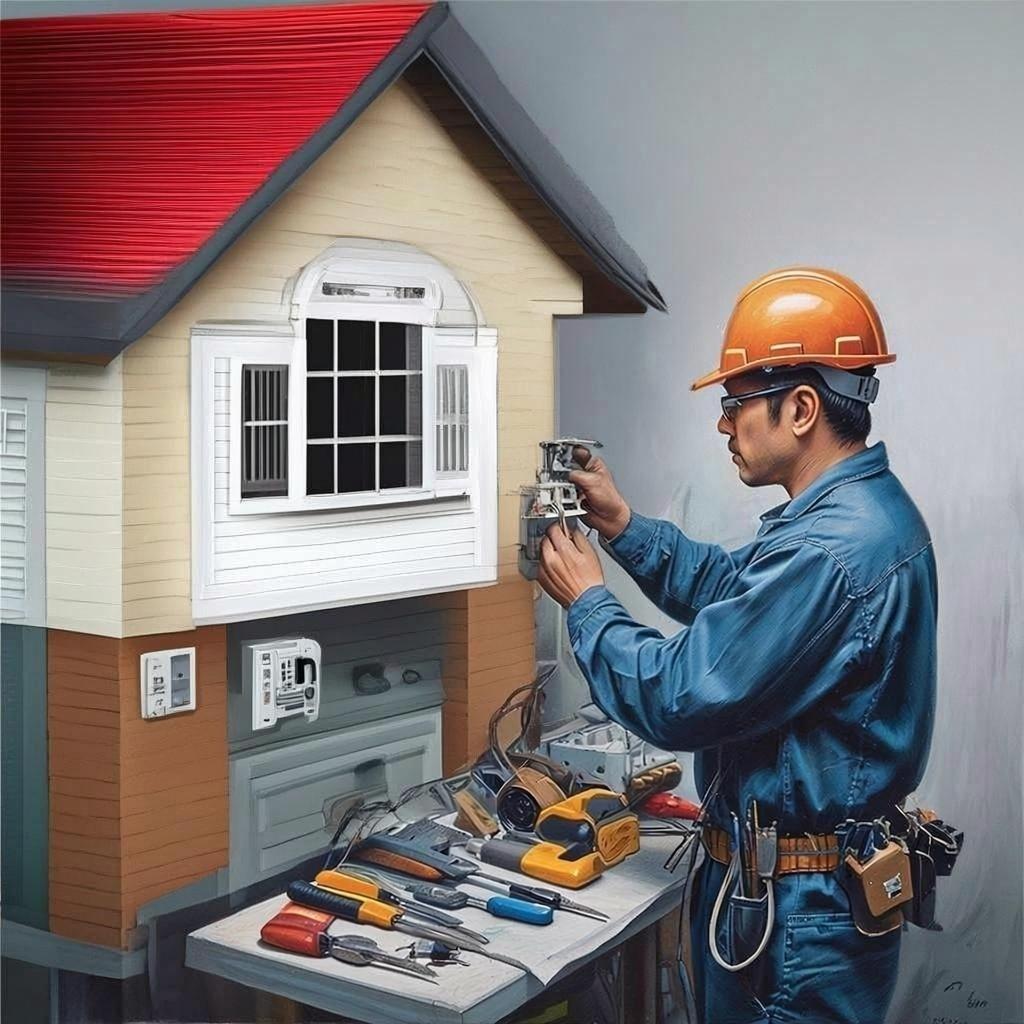
 Main causes of problems in new electrical circuits:
Design errors. One of the primary causes of electrical system issues is insufficient attention from designers to new requirements and regulatory documents. Often, projects fail to account for current standards regarding specific loads, the use of modern protective devices, as well as changes in wiring installation and equipment mounting rules. This leads to an underestimation of the actual load on the circuit and an increased risk of accidents.
Installation errors. Violations of installation technology or cost-cutting on materials often occur due to contractor incompetence or deliberate deviation from standards to reduce costs.
Lack of commissioning and acceptance tests. Even with new design and installation, the absence of thorough commissioning works and acceptance tests can lead to non-obvious defects in the system's operation. Sometimes clients or contractors cut corners at this stage, which can ultimately result in serious consequences.
Poor-quality materials and equipment. When low-quality materials are purchased, which may be uncertified or counterfeit, the risk of accidents and malfunctions increases.
Operational errors. Improper operation is also a cause of problems for both old and new circuits. Users often fail to comply with design specifications or instructions, overload the system, or connect appliances and devices incorrectly, leading to short circuits and overheating.
Transportation and storage damage. Due to careless transportation and storage, cables and other components can sustain damage—micro-cracks in insulation, wire bends. This reduces their performance characteristics and can cause system malfunctions.
Signs of faults in a new electrical circuits:
- Overheating of cables, sockets, and circuit breakers.
- Crackling or humming in the electrical system.
- Sparking when appliances are switched on.
- Automatic circuit breakers tripping for no apparent reason.
- These signs should not be ignored, as they may be associated with a fire risk.
The role of modern protective devices:
To reduce the risks of fires and equipment damage, it is important to use modern protective devices:
Circuit Breakers and RCDs (Residual Current Devices) prevent overloads and current leaks, which can lead to short circuits or electric shock.
AFDDs (Arc Fault Detection Devices) provide additional safety by responding to arcing caused by loose connections or hidden wiring defects.
Conclusion:
The safety of an electrical circuit depends not only on its age. Even new systems can contain errors and hidden defects capable of leading to emergency situations. Monitoring, proper operation, and protective devices are necessary for both old and new circuits.